Benefits of booking on PHUKET.PRO:
- No commissions or additional fees
- The most favorable terms and prices
- Payment directly to the developer's account
- Assistance until keys are received
- Possibility of a remote transaction
- Assistance with money transfers
PHUKET.PRO – Your reliable guide to the real estate market in Phuket.
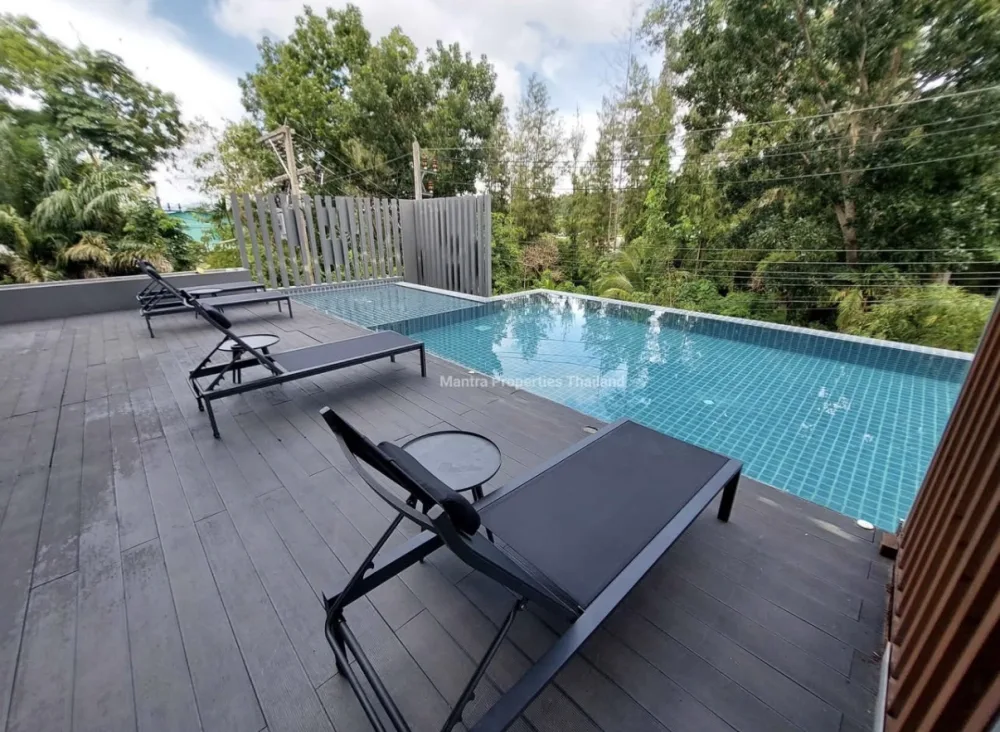
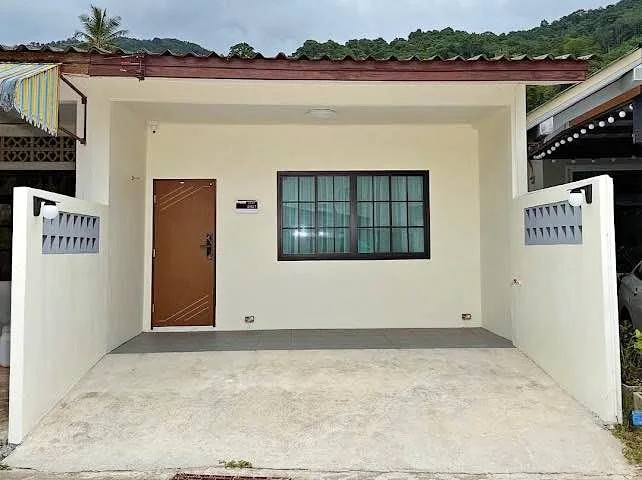
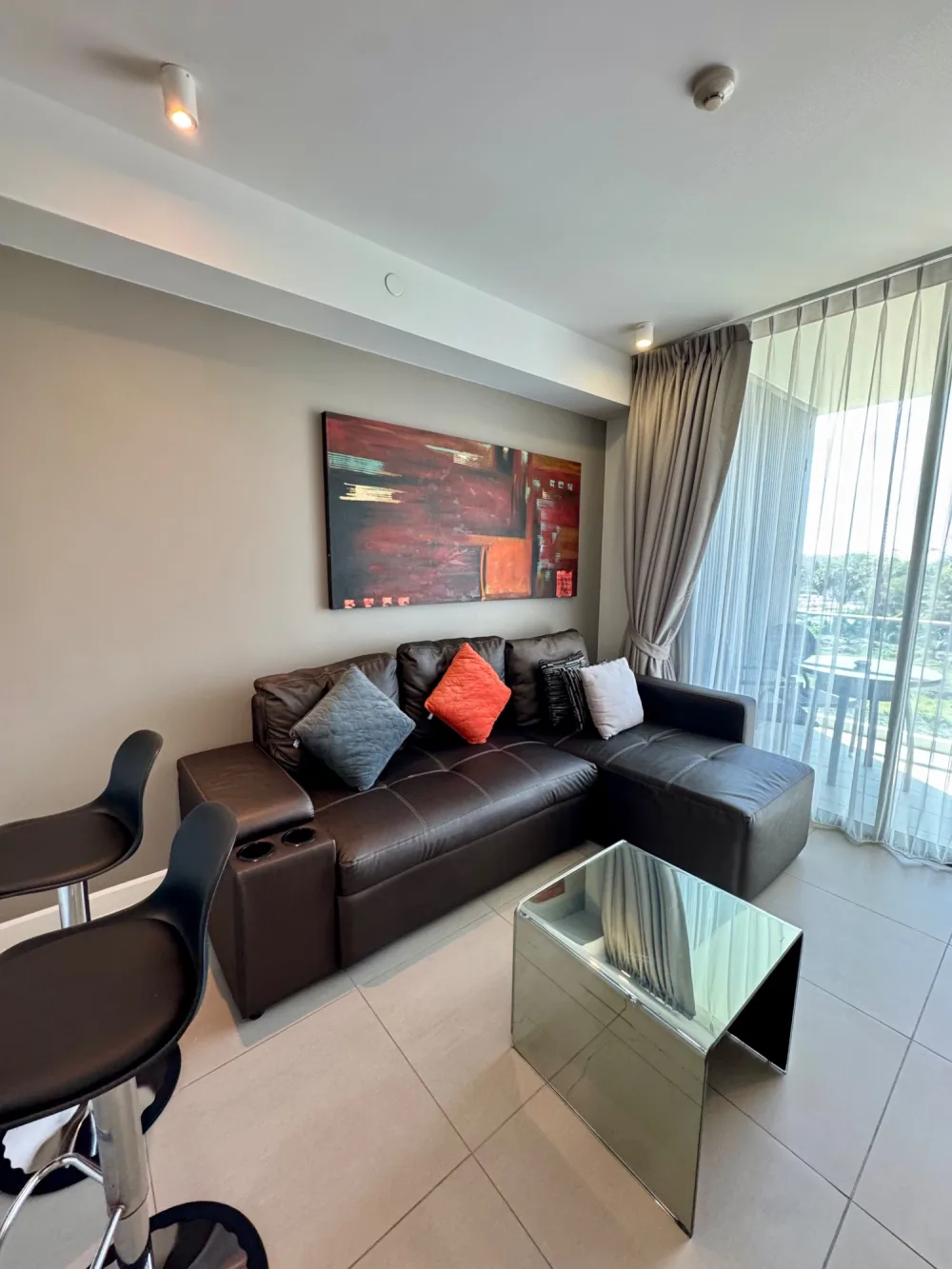
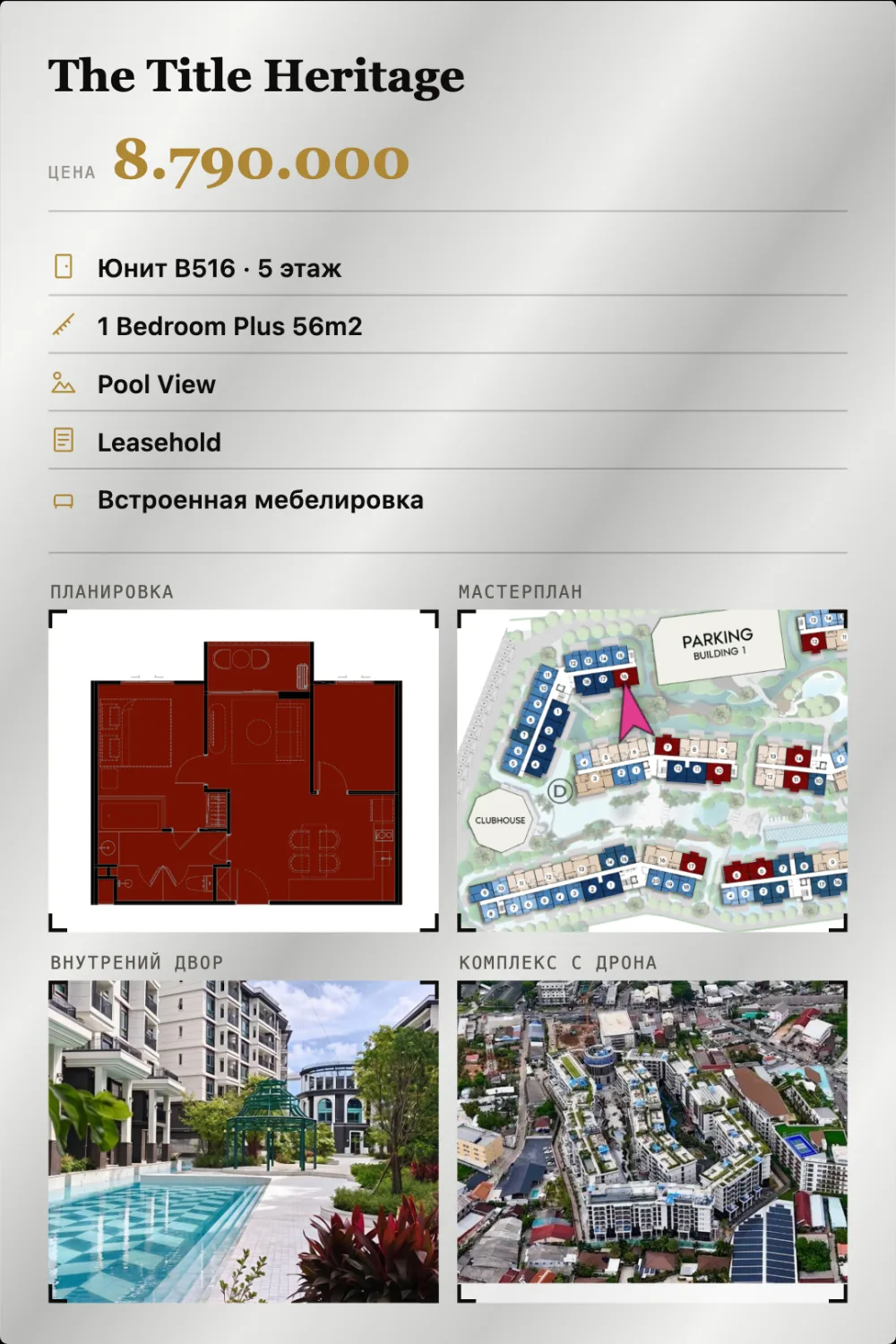
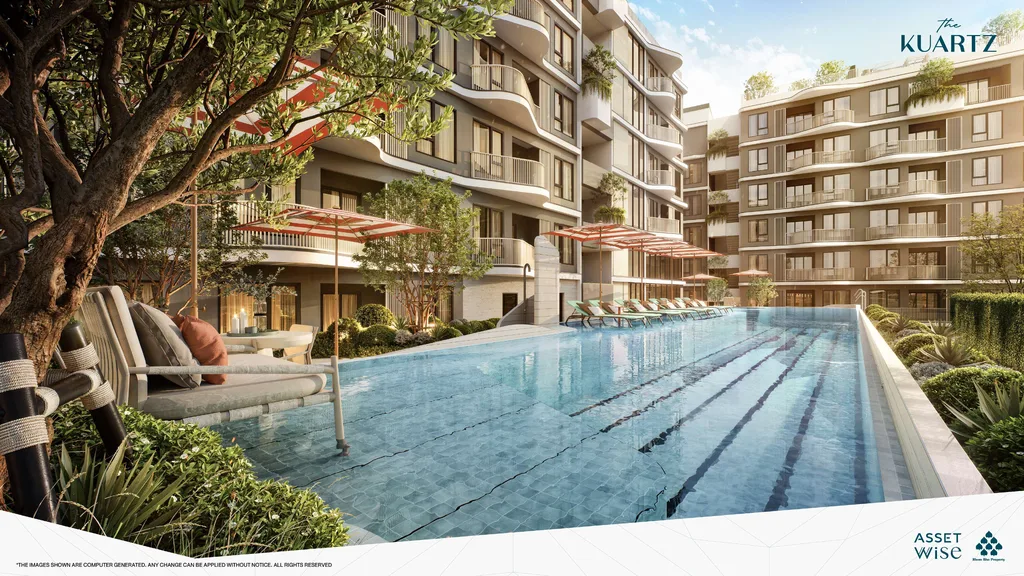
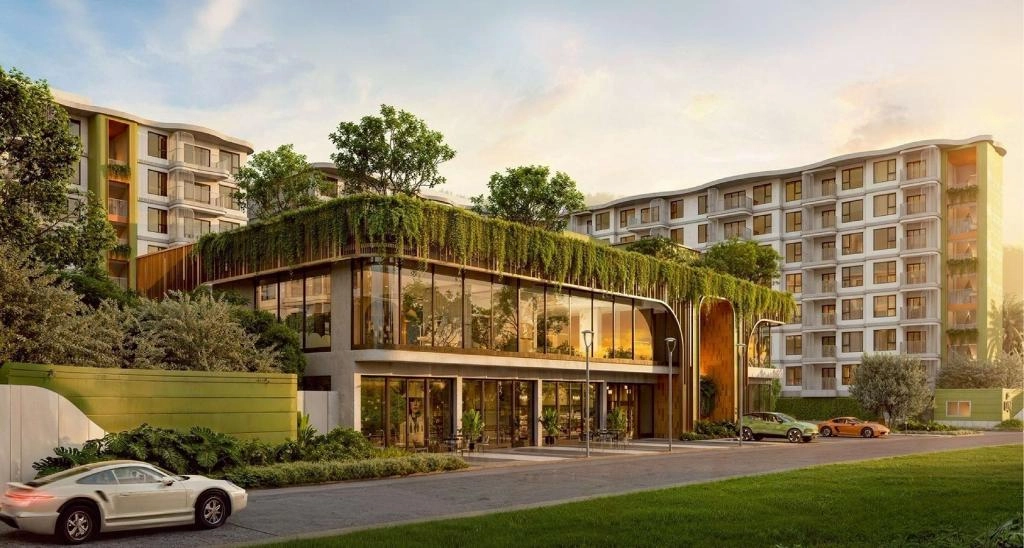
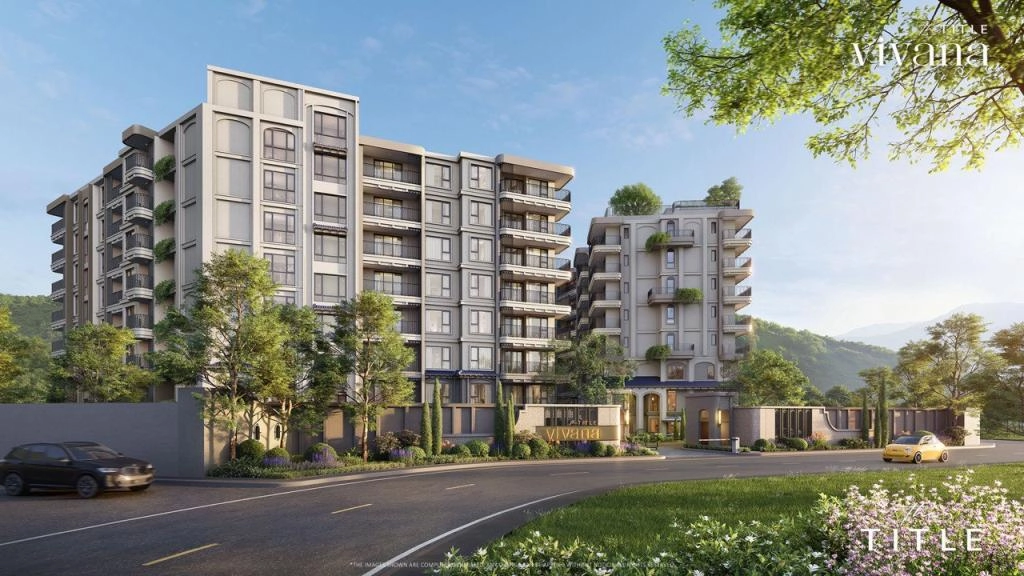
Do you dream of owning a home in a tropical paradise or want to make a profitable investment in real estate? The website PHUKET.PRO is a modern catalog of current offers, featuring a comprehensive database of properties in Phuket. Here you will find everything from cozy apartments with ocean views to luxurious villas with private pools. Phuket is more than just an island. It is a place where stunning nature, developed infrastructure, and endless opportunities for comfortable living or successful business come together. However, to choose the perfect property on this paradise island, it is important to trust the professionals. With PHUKET.PRO, buying, renting, or selling real estate becomes a simple and understandable task. **We offer:** - A wide selection of properties: apartments, villas, and houses in various areas of Phuket. - Easy navigation and search: our catalog allows you to easily find suitable options based on specified criteria – from price and property type to location. - Support at every stage of the transaction: our specialists will help you select a property, handle the documentation, and provide valuable investment advice. - One of the key features of PHUKET.PRO is the regular updating of the database. We carefully verify all offers to ensure you can choose from the freshest and most reliable options. Whether you are looking for a stylish studio in the center of Patong, an elite villa in Laguna, or a promising plot for construction, you will find what you need in our catalog. **Why choose real estate in Phuket?** Attractive climate: hot sun, gentle sea, and year-round greenery. Profitable investments: the real estate market on the island continues to grow, and the annual influx of tourists creates a stable demand for rental properties. Quality of life: Phuket offers top-notch international schools, modern medical centers, world-class shopping complexes, and developed transportation infrastructure. With PHUKET.PRO, real estate in Phuket becomes not just a dream but a real opportunity. On our website, you will find comprehensive information about each property, quality photographs, detailed descriptions, and current prices. We strive to make your property selection as convenient and transparent as possible. *Discover a new level of living! PHUKET.PRO is your reliable partner in the world of real estate in Phuket. Start your search for your ideal home today!*