Rising summer demand for Thailand: what it means for Phuket real estate
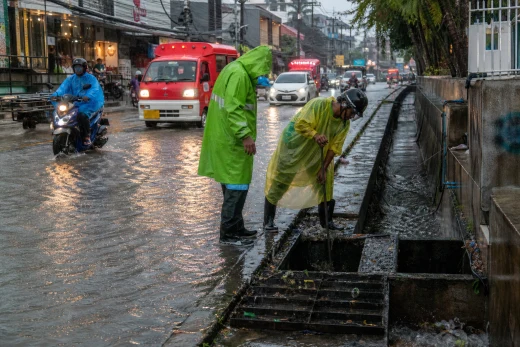
Summer in Phuket is traditionally the low season, but in 2026 that simple rule is becoming less absolute. Russian tour operators are reporting a 5–15% increase in Thailand bookings, and Russian travel flow is close to last year’s level again. Phuket is clearly staying on travelers’ radar even in the rainy months, with softer prices and stronger interest in better-quality stays and calmer locations.
For property buyers, this is a positive signal. When a destination holds demand even in the low season, it becomes more attractive not just as a holiday spot, but as an asset with a longer rental calendar. That means a well-chosen property may generate income for more months of the year instead of relying only on the short winter peak.
Why summer demand matters for Phuket
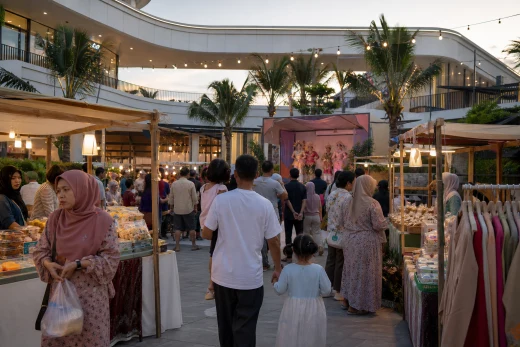
Phuket no longer depends only on winter tourism. The island is increasingly a year-round market where beach holidays, family trips, long stays, remote work and short investment visits create several layers of demand. Summer is the best time to see which locations and property formats are truly resilient.
Travelers who still come in summer usually prefer:
- projects near beaches with calmer sea conditions;
- condominiums with strong facilities and reliable management;
- apartments and villas suitable for both holidays and longer stays;
- areas with convenient logistics and less seasonal dependence.
That is why places such as Nai Yang, Kamala, Nai Harn, Rawai, Surin and parts of Chalong and Bang Tao remain relevant in summer. Each has its own audience, but the logic is the same: buyers want a practical asset that is easy to rent and comfortable to use personally.
What is happening with prices and demand
Summer holidays in Phuket can be 40–50% cheaper than in peak season. This does not mean the market is weak. Quite the opposite: more accessible pricing supports occupancy, while travelers often upgrade to higher-end accommodation because it feels better value in the low season.
For investors, this is especially useful. Summer quickly shows the difference between strong and average product. The best-performing assets usually are:
- projects with a recognizable brand and solid management;
- properties close to the beach but away from heavy tourist congestion;
- units with practical layouts for couples, families or long stays;
- developments with pools, reception services and full infrastructure.
Those are the properties that can attract both holidaymakers and medium-term tenants, which helps create a more flexible income model.
What buyers should conclude
The main takeaway is simple: summer demand confirms that Thailand, and Phuket in particular, remains strong beyond the winter high season. But in 2026 it is no longer enough to buy any unit near the sea. Buyers are more selective, compare locations more carefully and look closely at management quality, operating costs and the real rental profile of each project.
That is actually good news. A more mature market rewards professional selection. Before buying, it is smart to assess:
- distance to the beach and access quality;
- seasonality of the specific location;
- developer reputation and management structure;
- real summer rental potential, not only winter performance;
- layout efficiency for short and long stays.
Why this is good for investors
Stable Russian interest in Thailand during the low season supports Phuket’s rental market. Well-located apartments, villas and serviced residences have a better chance of staying relevant not just for a few weeks, but throughout much of the year. For owners, that means more stable income and less dependence on one season.
Phuket remains a market where the right selection matters. But that is exactly why it is attractive: it allows investors to choose assets thoughtfully instead of buying on impulse. The summer demand from Russia once again confirms that the island is not just a holiday destination, but a real investment market with live demand and long-term potential.