Phuket’s July beach demolitions: what seaside buyers should check
Phuket has tightened enforcement against illegal beachfront structures in July, with actions centered on Nui Beach, Freedom Beach and areas inside Sirinat National Park. For property buyers, this is not just a land dispute story. It is a reminder that seaside value on the island depends on more than the view — legal land status, access, and public-zone boundaries matter just as much.
What happened
Authorities have moved from warnings to actual demolition steps in coastal areas where structures were found on state, forest or public land. The clearest signal is that the crackdown is focused on places many buyers still see as premium, calm and “safe” beachfront locations.
Why it matters for property deals
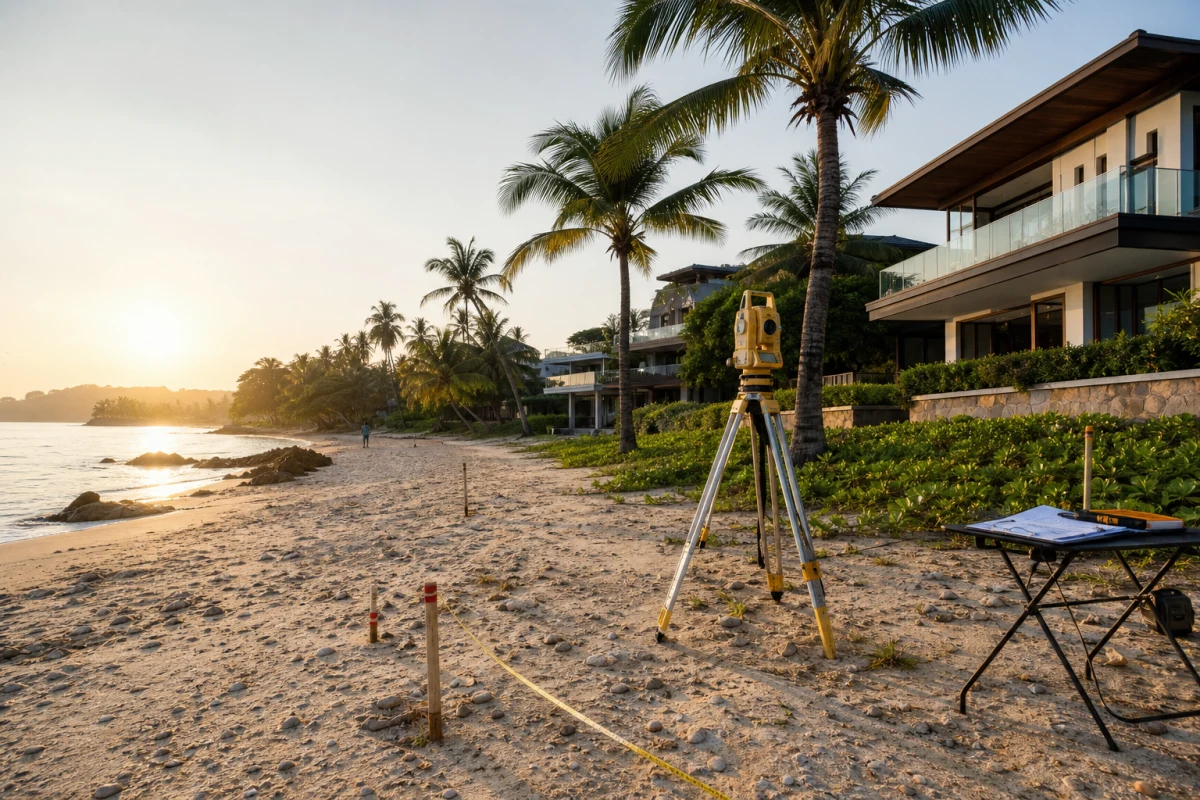
For a villa or condo near the sea in Phuket, price and distance to the beach are not enough. Buyers need to know where private land ends, where public land begins, whether access is legal, whether the project touches protected areas, and whether parts of the site could be removed later.
What buyers should verify
- title type and cadastral boundaries;
- legal road and site access;
- setbacks from the shoreline and public zone;
- status of neighboring buildings and beach facilities;
- whether rental use matches the seller’s promise.
Bottom line
This trend supports a more mature market. Phuket is becoming a place where transparent assets are valued more than just beautiful locations. For buyers, that is good news: quality coastal projects are easier to assess, and proper due diligence helps filter out risky listings before any deposit is paid.
In short, the July enforcement wave does not weaken Phuket’s market. It makes it clearer, more professional and easier to buy into with confidence.