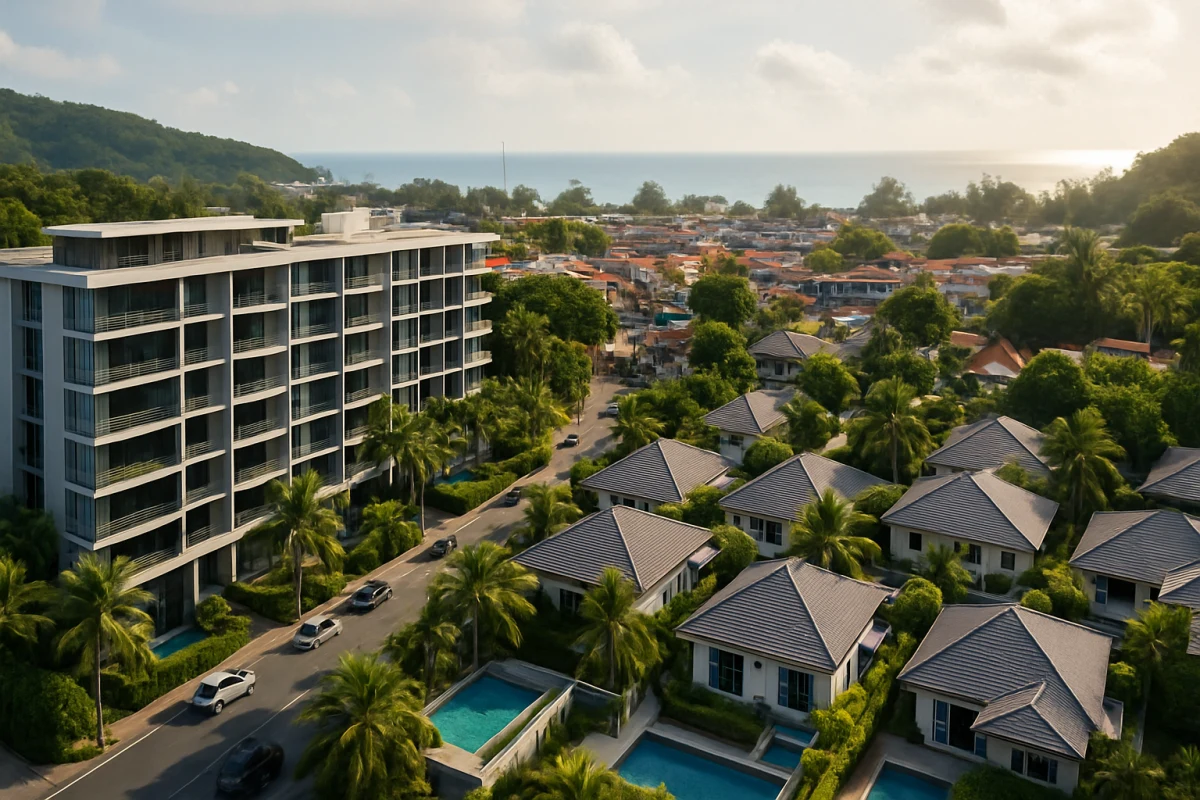
How to choose a Phuket property that still rents well in a calmer market
Phuket remains one of Thailand’s strongest real-estate markets, but in 2026 it looks less like a fast-moving resort boom and more like a mature, selective ecosystem. Tourism is still strong, yet visitor mix, trip length, and housing expectations are changing. For buyers, that is not a warning to step back — it is an opportunity to choose better and buy a property that works for rental income, resale, and personal use.
Why this matters now
The island still benefits from a powerful demand base: international flights, long seasons, expats, winter residents, and second-home buyers. But the market is no longer driven by a simple idea that more tourists automatically means every seaside unit will rent. Today, performance depends more on three things: how easily the property can be occupied, who it is suitable for, and what kind of year-round demand exists around it.
That shift matters for investors. A property that looks attractive in a brochure can underperform in reality if it is too far from demand, awkward to manage, poorly planned, or expensive to operate. By contrast, a quieter but better-structured apartment or villa can deliver steadier results even when buyers become more selective.
What has changed in rental investing
The main shift is from a “easy money” story to an “operational fitness” story. In Phuket today, a buyer needs to think like both an investor and an operator: who will stay there, how quickly it can be rented, whether the unit makes sense for guests, and how it performs in both high and low seasons.
In practical terms, the best-performing properties answer a few basic questions:
- who is the tenant — short-stay tourist, monthly winter resident, family, or long-term expat;
- can the unit be rented without a complicated or costly operating model;
- is there year-round infrastructure nearby;
- does demand depend on only one beach, one project, or one buyer profile;
- how easy will resale be in two to five years.
Location means more than “close to the beach”
For Phuket rentals, location now means more than distance to the shore. Buyers should look at whether the property sits inside a year-round lifestyle zone with restaurants, supermarkets, medical services, fitness, schools, road access, and proximity to major demand drivers. The strongest areas are usually those that attract not only tourists, but also long-stay tenants and people living on the island for work or part of the year.
Those locations usually handle seasonality better. In high season they benefit from tourist demand; in slower months they do not empty out as quickly because they appeal to winter residents, remote workers, families, and long-stay visitors. For owners, that means a smoother income profile and less dependence on marketing hype.
Which property formats look most resilient
Three formats stand out today. First, quality condominiums in strong lifestyle districts with good management. Second, villas and townhouses that solve a real family or group living need, not just a visual fantasy. Third, mixed-use properties that allow personal use, medium-term rental, and eventual resale.
What is less attractive is overly narrow product. If a property only works in a short seasonal window, needs constant hands-on management, or depends on a single selling promise, it becomes more fragile. Phuket’s market is mature enough to reward the practical choice, not just the loudest one.
What to check before you buy
Layout matters: usable bedrooms, sensible bathrooms, storage, a functional kitchen, and a balcony or terrace that adds real value. Access matters: easy entry, parking, and simple logistics for guests and managers. Costs matter: maintenance, management, utilities, repair, and seasonal preparation should fit a realistic financial model.
In many cases, operating costs rather than the purchase price decide the final return. A cheap unit with awkward management can easily underperform a more expensive but simple and liquid asset. That is why smart buyers in Phuket study the full operating picture, not just the emotional appeal of the view.
Why professional selection matters more now
As the market becomes more structured, the value of professional selection rises. Phuket is full of projects that look similar on the surface but perform very differently in practice. A good broker helps compare not only prices, but also use cases: living, short-term rental, long-term rental, or future resale.
That is why today’s winner is not the fastest buyer, but the most precise one. Phuket remains a strong destination for capital, but capital needs discipline, the right deal structure, and a realistic view of the product. The good news is that this maturity makes the market clearer, safer, and easier to evaluate.
Bottom line
In 2026, the right Phuket purchase is not simply a beautiful property. It is a property with a workable life cycle: easy to rent, easy to manage, resilient to seasonality, and logical to resell. When those pieces come together, Phuket real estate remains not only desirable but genuinely productive.