Phuket is upgrading transport: what it means for property
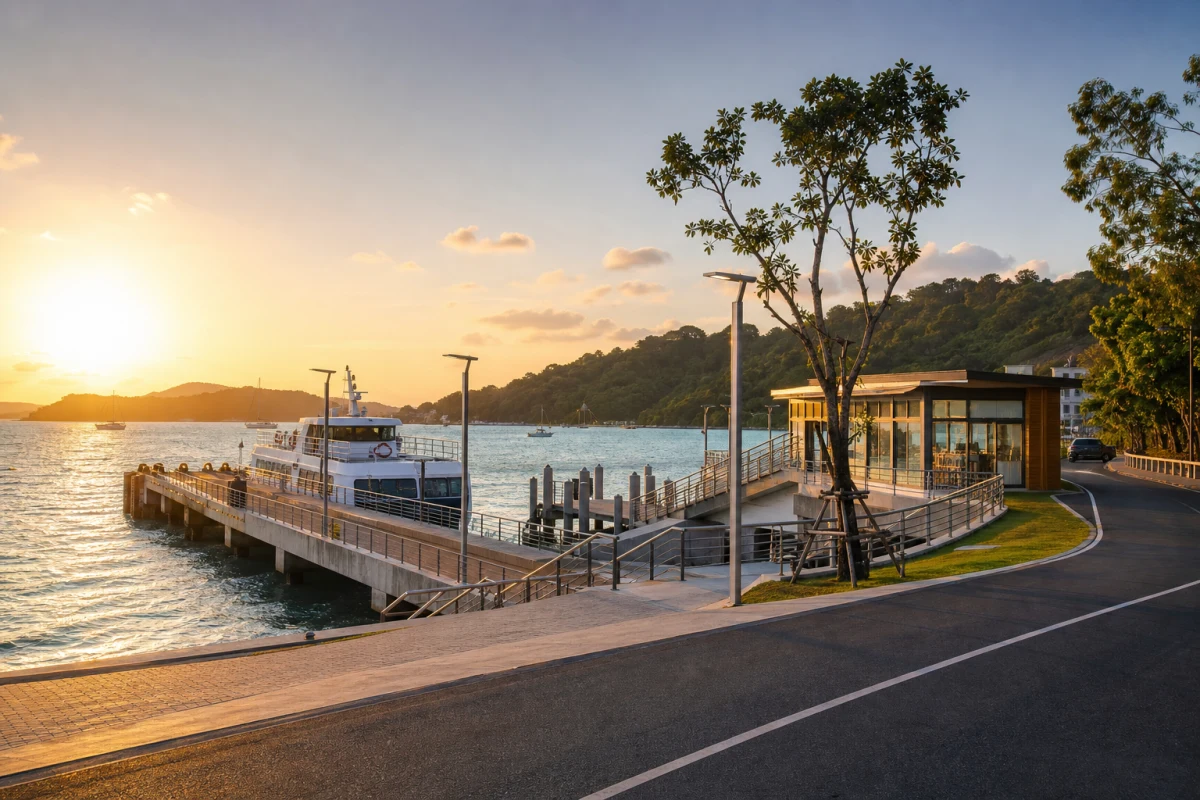
Phuket keeps proving that property value here depends not only on beaches, but also on how smoothly you can reach home, a pier, or the airport. This week, provincial transport officials stepped up attention to water safety, taxis, and pier operations, while Chalong is moving toward a Smart Pier and digital Port Control.
What happened
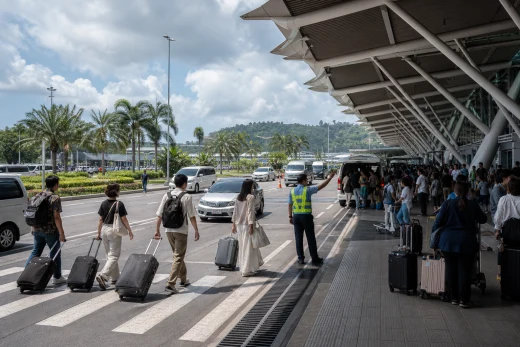
During an inspection in the south of the island, officials checked jet-skis, airport taxis, and Chalong Pier. At the same time, the focus shifted toward more modern water transport management, with cameras, digital monitoring, and clearer vessel oversight. On an island where the sea is not just leisure but a daily transport corridor, that matters.
Why it matters for Phuket property
For buyers, transport often affects property value as much as the view. Areas around Chalong, Rawai, Kata, Cape Panwa, and the east coast rely on the link between home, pier, island-hopping routes, and Phuket Town. When piers and surrounding logistics become safer and more organized, rental quality and day-to-day living improve too.
This is especially relevant for villas and condos bought not only for holidays, but also for long stays, marine lifestyles, family use, and rental income.
What changes for investors
- Less friction from messy local transport.
- Higher value for locations near piers and main roads.
- Better tenant profile: more guests want convenience and order.
- Properties with clear access to sea and town are easier to hold in demand.
What to check before buying
Don’t look only at size and price. Check road access, seasonal congestion, distance to the pier, and whether the project fits your plan — living, renting, or both.
For Phuket, this is a positive sign: the island is becoming a more mature market where infrastructure supports asset quality.