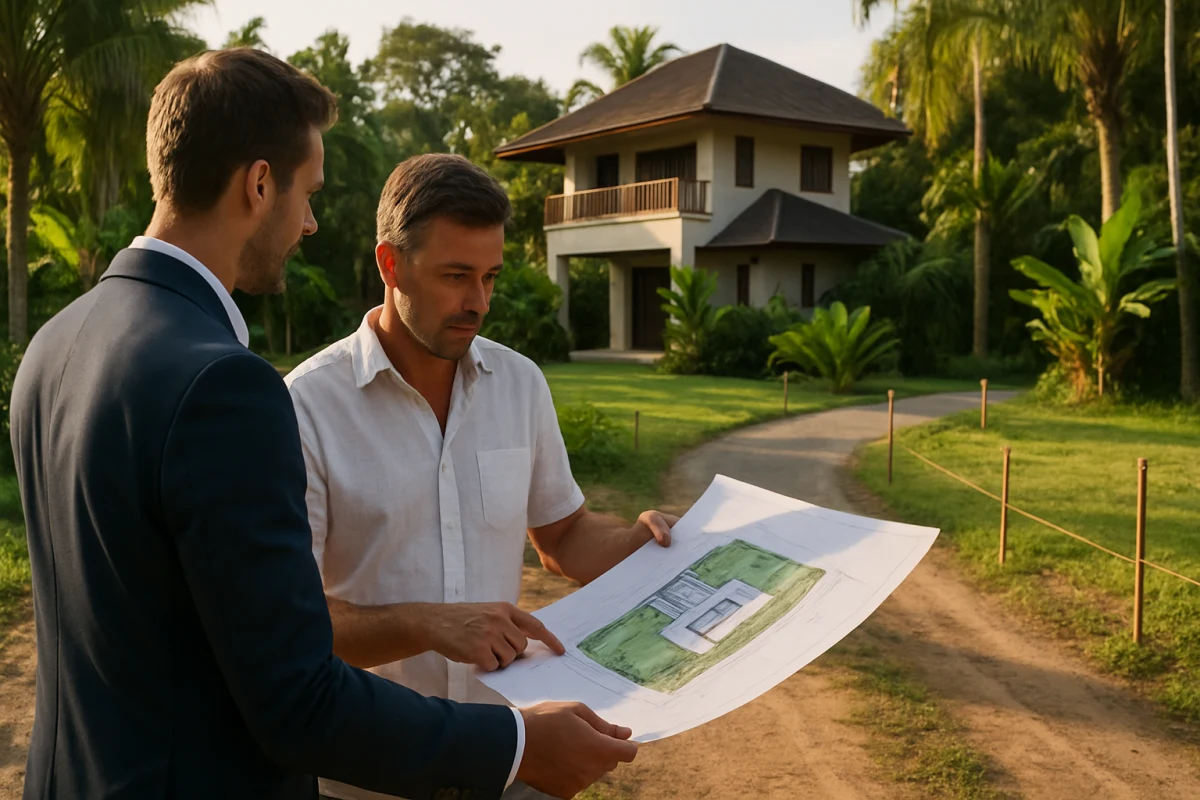
Why Phuket buyers should check access before price
For Phuket, this is one of the most practical real-estate topics in 2026. The market increasingly sells not just square meters or views, but the promise of future value: quiet location, green hillside, ocean nearby, privacy, a villa almost on the beach. Yet on an island market there is one rule experienced buyers learn quickly: if a property does not have clear and lawful access, even the most attractive home can become difficult to use and harder to resell.
That is why a smart Phuket buyer looks beyond the façade and the floor plan. The first questions are about the title, the boundaries, the access road, servitudes, the ability to bring in electricity and water, and for larger or sensitive plots, how the land fits local planning and coastal restrictions. This is not legal nitpicking. It is the foundation of peaceful ownership.
Why access matters more than it first appears
On an island, the road often determines value as much as the sea view. A plot may look perfect, but if the entrance crosses someone else’s land, no easement is registered, the width of the passage is disputed, or the road exists only by habit, the buyer inherits a risk that is invisible at first glance. For a home, that means inconvenience. For a rental villa, it means complaints from guests and service problems. For development land, it means delays and extra costs. For a beachfront or near-beach property, it also means closer attention to boundaries, setbacks, and public land issues.
A professional Phuket transaction always starts with a simple question: how exactly will people, cars, construction crews, and utility providers reach the property today, in a year, and at resale? If that answer is not clear, the deal is not yet mature.
What should be checked before paying a deposit
The first layer is the title. For land and villas, the real legal status matters more than marketing language. The clearer the title and the more precise the boundaries, the easier it is to protect ownership, complete future changes, and sell the property later.
- Title and boundaries. Confirm whose name is on the title and whether the paper boundaries match the fence and the actual buildings.
- Lawful access. The property should connect either to a public road or to a registered right of way.
- Servitudes and encumbrances. These are sometimes useful, even necessary, but the buyer must know them in advance.
- Utilities. Electricity, water, drainage, wastewater, internet, and the route for future connections must be realistic, not just shown in a brochure.
- Site inspection. A plot on a render and a plot on the ground are often very different once slope, retaining walls, drainage, and neighboring structures are taken into account.
If you are buying a villa, pay special attention not only to the building but also to the land around it. In Phuket, the land often creates most of the value, so the land itself must be checked with maximum care.
Why this is especially important in Phuket
The island continues to grow as a market for living and investment, but prime plots are not endless. The best areas are already built out, and new supply often moves into locations with steeper terrain, tighter access, or denser surroundings. That does not make the market weaker. It makes it more mature. But in a mature market, buyers must be more attentive.
In Phuket you often find hillside plots, edge-of-development land, parcels near water, land close to beaches, or areas where neighboring lots have historically shared one access route. In those places, a beautiful property can hide the key question: whose road is it, who maintains it, can construction trucks use it, and will the access still exist five years from now if a neighbor changes their plan?
For investors, this matters even more because resale value is not built only on location and interior design. The second buyer pays for certainty. The easier it is to see clear access, clean boundaries, and no conflicts, the stronger the property becomes in price and in speed of sale.
What a sensible due diligence process looks like
Due diligence does not need to feel heavy. Its job is to answer a few practical questions before the money becomes difficult to recover.
- Match the papers to the land. Do not rely on a copy and a promise; compare the title with the real plot.
- Understand the road status. Is it public, private, or supported by a registered right of way?
- Check access for construction vehicles. This is essential for villas, renovations, and new builds.
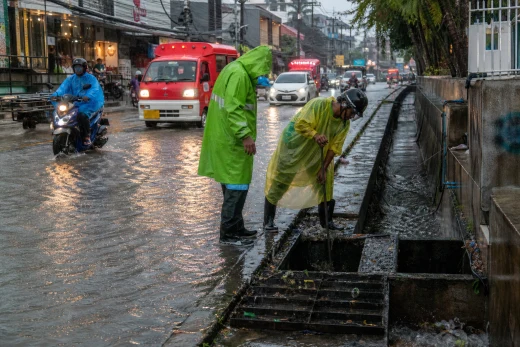
- Study drainage and slope. In rainy season, these details affect comfort and future costs.
- Confirm utility feasibility. A nearby line does not always mean a simple connection.
- Put the conclusions into the contract. Anything that matters should be fixed before significant funds are paid.
For larger purchases, it is wise to combine legal review with an on-site inspection by someone who understands local geography, title types, and practical registration habits. In Phuket, that combination is especially valuable: the lawyer checks rights, while the field specialist checks how the property actually works on the ground.
What this gives the buyer and investor
The good news is that these checks do not make buying harder; they make it calmer. When access is confirmed, boundaries are clear, and utilities are understood, the buyer receives not just a beautiful asset but a usable one. It is easier to rent, easier to maintain, and easier to resell.
For a family buyer, that means fewer daily surprises. For an investor, it means fewer operational risks. For a villa owner, it means fewer problems with service teams, cleaning, transfers, and contractors. In many cases, that clarity is worth more than a small discount at the start.
That is why a professional Phuket purchase begins not with emotion but with a route: how to arrive, how to connect, how to own, how to protect. Once those four questions are answered, the property becomes much stronger.
In a good market, the winner is not the fastest buyer. It is the one who sees the structure of the deal. In Phuket, that structure often begins with the road.