Sakhu demolition order: what the Sirinat case means for Phuket buyers
Sakhu demolition order: what the Sirinat case means for Phuket buyers
This week, authorities began carrying out a demolition order in Sakhu after court action over structures affecting Sirinat National Park. For Phuket real estate, this is more than a local enforcement story. It is a practical reminder that beachfront value depends not only on views and branding, but also on clean land status.
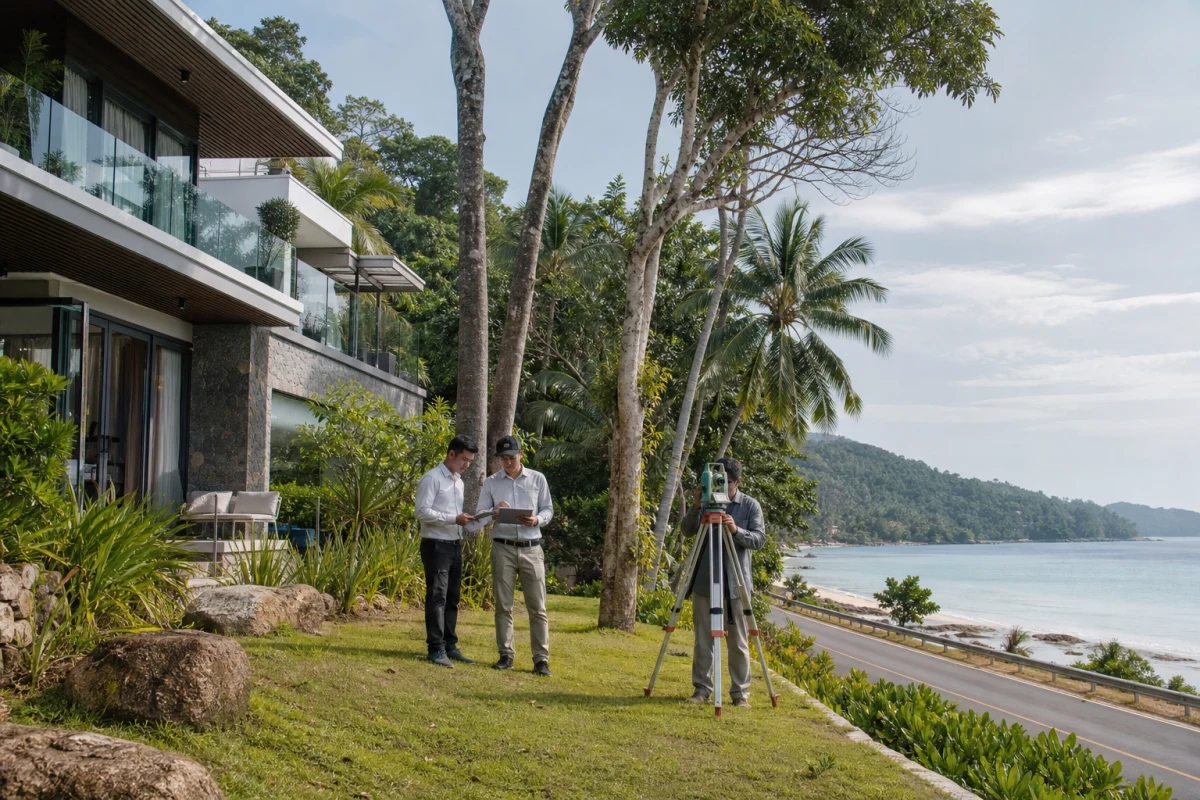
That matters most in the northwest of the island, where hotels, villas, and new projects sit close to beaches, parks, and tourism infrastructure. The closer a property is to the coast or a protected area, the more important it becomes to verify documents, boundaries, and legal access — not just the sales presentation.
Why this matters to the market
Cases like this do not weaken Phuket’s market. They make it clearer. Well-structured projects benefit because transparency supports resale, financing, and long-term confidence. For buyers, the message is simple: if the land, access, and permits are clean, the asset becomes stronger over time.
This is especially relevant for villas, boutique hotels, serviced apartments, and land plots near environmental reserves. In that part of the market, a mistake in due diligence can cost more than any upfront saving.
What to check before buying
- the exact land title and document type;
- whether the physical boundaries match the cadastral record;
- legal access to the plot;
- whether the current building is properly permitted;
- whether the asset overlaps any protected, coastal, or forest zone;
- who the legal seller is: owner, company, or power of attorney holder.
If a property looks especially attractive because of its location, that is exactly when deeper checks matter most. On Phuket, the best assets are often in the most sensitive areas — so the strongest buyer is the one who verifies first and buys second.