Phuket may raise hotel levy: what it means for owners and investors
Phuket is discussing a higher provincial hotel levy, moving from 1% to 3% of room revenue. This is more than a hotel story: it signals that the island wants more funding for tourism and infrastructure, while income properties will be judged even more carefully on management quality, legal structure, and real occupancy.
What happened
The idea is simple: the current local levy could be raised to the upper level already allowed for provinces. If approved, the extra revenue may support roads, public areas, tourism facilities, and destination marketing. For Phuket, that fits the logic of a mature resort market: stronger demand also means higher costs to maintain the environment that supports it.
Why it matters for property
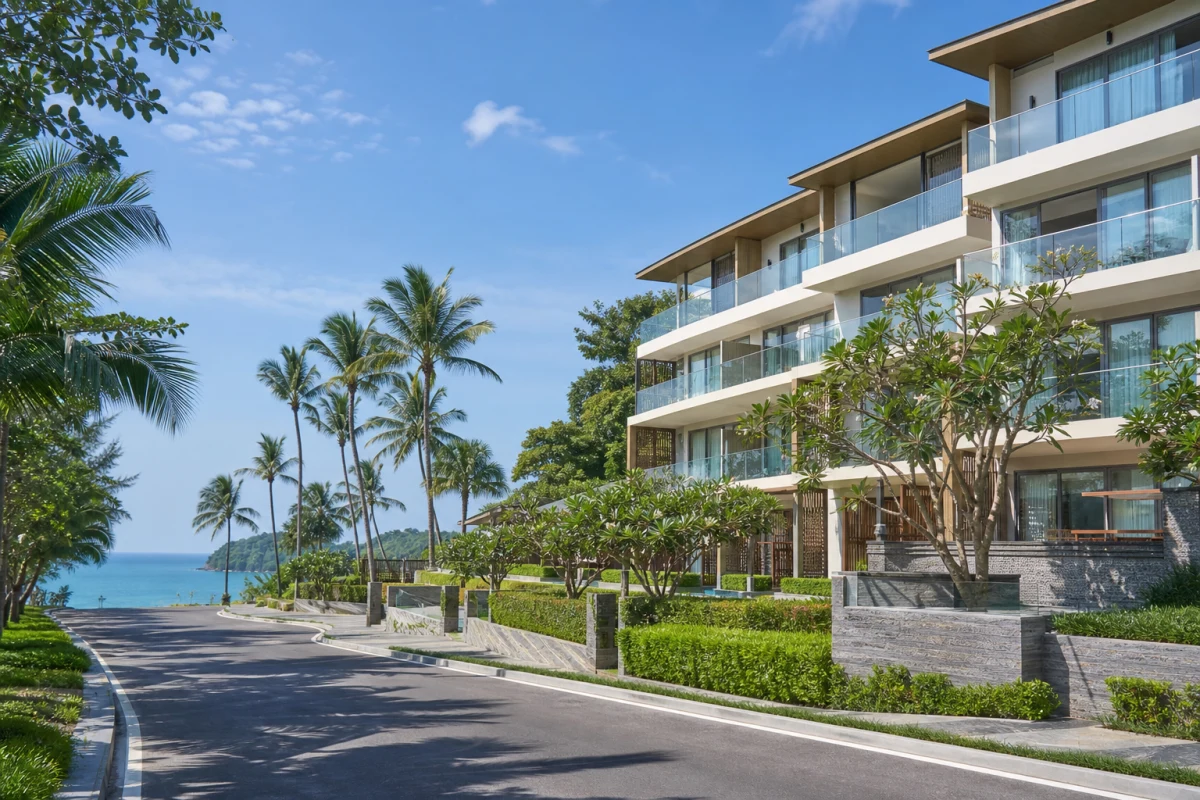
For villa owners, apartment investors, and serviced residences, this is not a direct property purchase tax. But it still affects the whole income model on the island. When local authorities strengthen the tourism funding base, the market becomes more mature: development budgets become clearer, service expectations rise, and there is more pressure for legal rental structures and proper reporting.
For investors, this is the right moment to ask better questions: who manages the unit, whether short-term rental is properly licensed, how net income is calculated after all fees, and how dependent the project is on seasonal demand. On Phuket, the winners are not the loudest yield promises, but the projects that work in a real operating model.
What changes for buyers
- Income properties should be underwritten on net cash flow, not brochure yield.
- Managed projects gain an edge because they adapt better to new rules.
- Areas with year-round demand look stronger than assets that rely only on peak season.
What to check now
- Rental model: long-term, hotel-style, or mixed use.
- Documents and permissions for actual use.
- All recurring costs: management, repairs, utilities, and any local charges.
- The real strength of the location: beach, school, infrastructure, airport access, resale liquidity.
For Phuket, this is a positive sign. When a destination collects income more carefully and reinvests it in development, the property market becomes clearer for serious buyers. And a clearer market is usually better for capital.