Rawai under scrutiny: why a shoreline halt matters for seaside buyers
At the end of May, Phuket authorities suspended work on a shoreline protection project in Rawai while they verify the property boundary and whether construction may encroach on public water areas. On the surface, it looks like a local dispute. For buyers and investors, it is a very practical reminder about coastal due diligence.
The Laem Ka Yai case shows that seaside real estate is not just about price, views, and developer promises. When a property sits near the ocean, any problem with boundaries, permits, or land status can lead to work stoppages, complaints, extra inspections, and lost time. For a buyer, that is not a theoretical risk; it directly affects title security, liquidity, and long-term value.
What happened
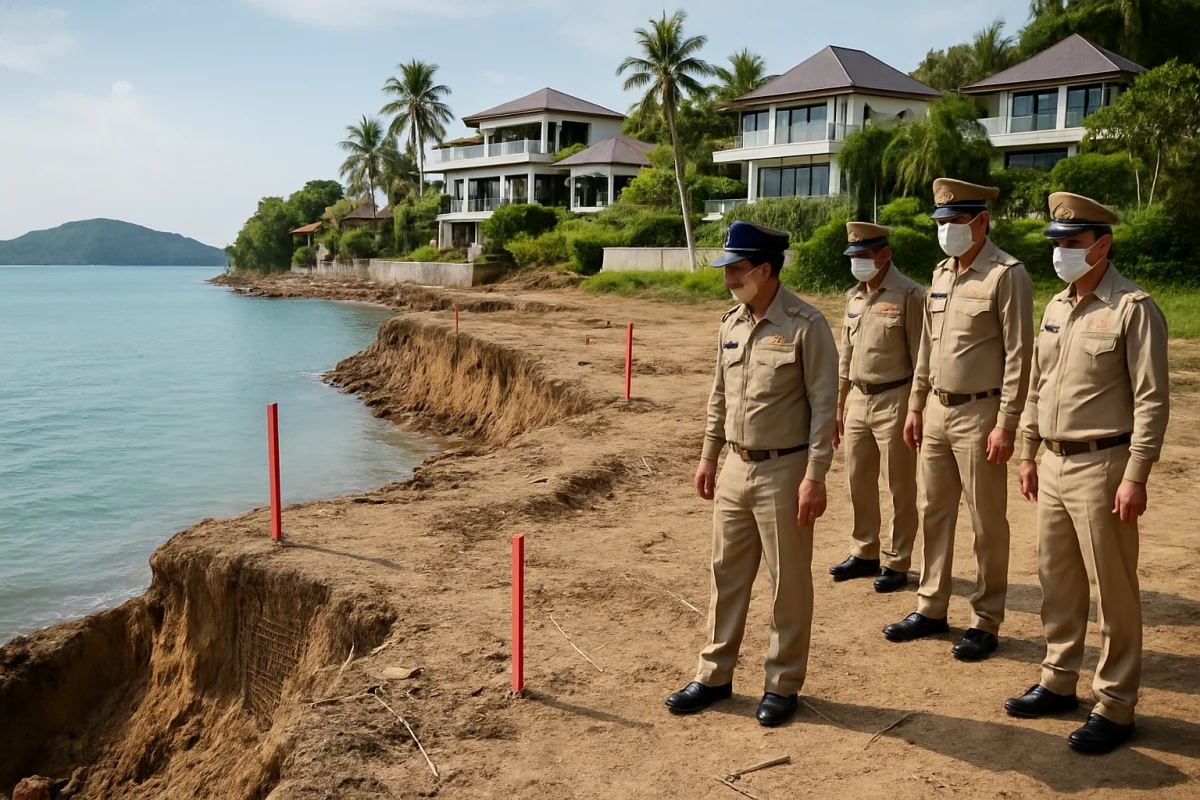
The Phuket Marine Office ordered a temporary suspension of work on a breakwater and seawall project in Rawai while it investigates the site. The move followed reports of heavy machinery operating on the beachfront and concerns that the project could affect public waterways. The company presented land title deeds and a building permit, but also said some original boundary markers had disappeared due to erosion and seawater impact.
Officials then required a formal boundary survey and said any work that might encroach on waterways must remain suspended until the private land limits are clearly verified. Local residents also filed a complaint, warning about possible harm to traditional boat access, launch points, and public access to the coast.
Why this matters for the market
For buyers of villas, land plots, and small coastal projects, this matters for three reasons.
- Boundary verification is now essential. If erosion shifts the shoreline, the legal boundary may no longer match what you see on the ground.
- Permits do not remove all risk. Even with a chanote and a building permit, a project can be paused if authorities question its impact on public water space.
- Community pressure can shape outcomes. Coastal disputes on Phuket can quickly attract residents, local officials, and provincial agencies, affecting timelines and reputation.
What buyers should check
If you are considering a seaside property in Phuket, especially in Rawai, Nai Harn, Kata, Kamala, Bang Tao, or another coastal area, a short checklist helps.
- Check the land title. Make sure the document matches the actual site.
- Verify the boundary on the ground. An independent survey before paying a deposit is strongly advisable.
- Confirm whether the project touches the shoreline. This is especially important for seawalls, piers, promenades, drainage works, and any construction near the water.
- Review the full permit set. Coastal works may need more than standard building documents.
- Ask about public access. If access to the sea runs through neighboring land or a long-used path, study that carefully.
Investment takeaway
This does not mean seaside assets in Phuket are a bad idea. It means the best assets are not only attractive but legally clean and technically clear. That is especially true for land, villas due for renovation, and projects that rely on work close to the waterline.
If a deal involves shoreline intervention, add an extra layer of due diligence: boundary history, complaint risk, and the chance that authorities may pause or redesign the project. In many cases, that matters more than a small difference in asking price.
Bottom line
Rawai is a reminder that the closer a property is to the sea, the more valuable legal precision becomes. Great location and strong branding are important, but they do not replace exact boundaries, proper permits, and a clear line between private land and public coastal space.