Central Phuket Expansion: Why It Matters for Housing and Investment
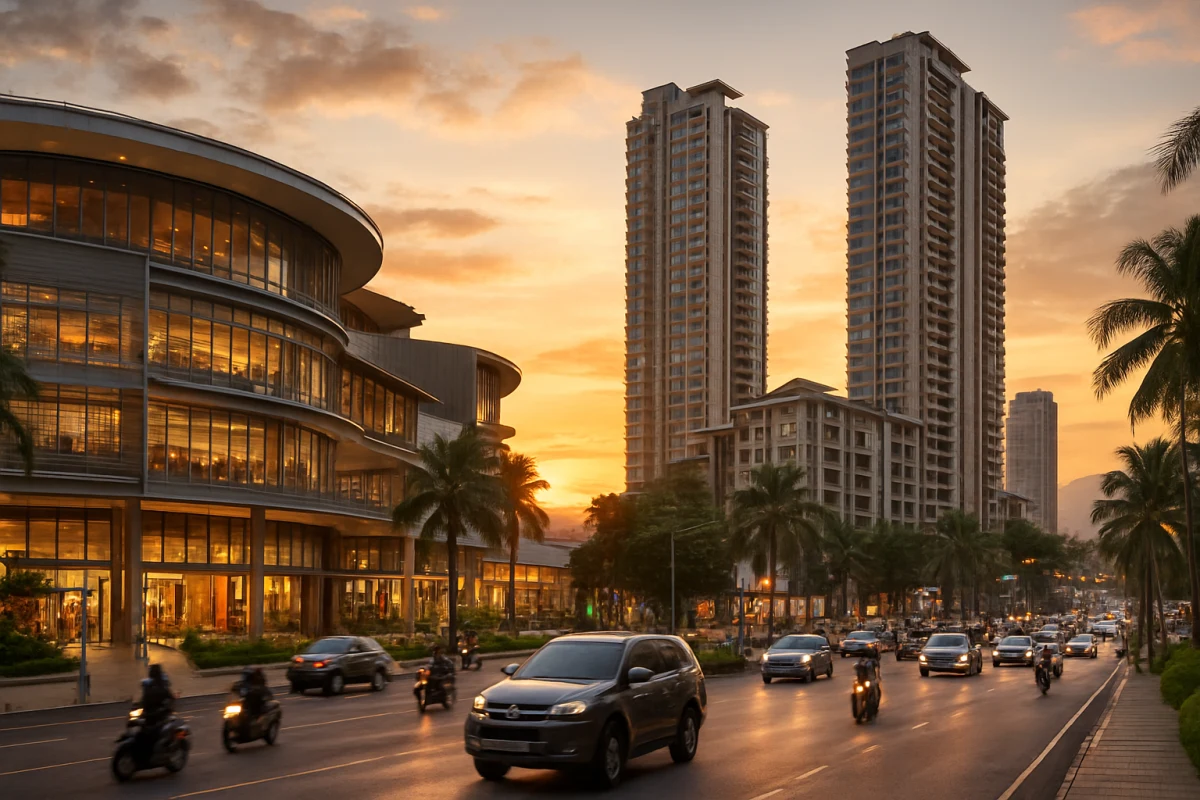
In the first half of 2026, Phuket received another sign that the island is becoming not only a resort destination but also a full-year urban market. Central Group announced an expansion of Central Phuket, one of the island’s most important commercial and lifestyle hubs. For real-estate buyers, this matters as much as it does for retail: major destination centers reshape traffic flows, strengthen business activity, and support housing demand around service, work, and tourism clusters.
The key point is that Central Phuket is planned to grow by about 40%. The company said the project will expand the luxury zone at Central Phuket Floresta, upgrade Central Festival, add a major entertainment zone, and strengthen the food-and-dining offer. In practical terms, this is more than a shopping-mall upgrade. It is an attempt to secure Phuket Town and nearby areas as a major urban center for residents, expats, tenants, and visitors.
Why this matters to buyers
For a condo or villa buyer in Phuket, the infrastructure around the property is often more important than the marketing story. A large commercial hub usually means stronger everyday rental demand, better livability for long-term residents, and a wider resale audience. This is especially true for family-friendly housing, serviced apartments, and projects designed for long stays rather than only holiday use.
The expansion matters because it reinforces the island’s center as a place where people can live all year. That supports housing demand in areas with easy access to Phuket Town, Kathu, and then the west coast. For investors, the message is clear: liquidity is increasingly shaped not only by sea views, but also by how well a property fits into the island’s real everyday economy.
What changes for rentals
When a city gains new shops, restaurants, entertainment formats, and service functions, it does not only increase foot traffic. It also deepens local rental demand. This is especially relevant in Phuket, where the market is traditionally split between tourism-driven short stays and more stable long-term rentals. Central Phuket’s expansion supports both, but it is likely to matter most for homes aimed at residents, business staff, families, and expats.
The practical takeaway is simple: if a property is far from everyday infrastructure, its income will depend more heavily on seasonality. If it is located near schools, clinics, shopping, services, and transport access, it is better able to weather quiet tourism periods and is easier to lease long term.
What this signals for the wider market
Central Phuket is another sign of a broader trend: major private investors continue to put money into Phuket as a place of permanent demand, not only as a high-season resort. That fits the wider Thailand market, where recovery is uneven and foreign demand remains important in the upper segment, especially in resort locations like Phuket.
But the market is also becoming more mature and selective. Buyers are no longer willing to pay any premium for a new project simply because the brand is big or the brochure looks impressive. In 2026, the things that matter most are location, a clear management model, and real infrastructure nearby. So the Central Phuket story should not be read as a promise of automatic price growth. It is better understood as confirmation that the strongest opportunities are in locations with durable urban demand.
What investors should watch now
- Access to daily-life infrastructure. Homes near shopping, schools, clinics, and services usually attract a wider tenant base.
- Transport convenience. In Phuket, travel time often affects demand more than distance on a map.
- Clear rental profile. A long-term rental property must be practical to live in, not only attractive for two-week holidays.
- Neighborhood reputation. Areas with an established urban feel usually offer better liquidity than isolated projects in weak locations.
Who should care most
This news is especially useful for buyers deciding between a resort-style purchase and an urban one. If the goal is personal living on the island, Central Phuket makes the central part of Phuket more convenient and more livable. If the goal is investment, the story shows that demand is moving toward projects that serve real daily life, not only vacation demand.
The conservative conclusion for May 2026 is this: Phuket remains a strong market, but its best potential is now concentrated not in abstract “beach proximity” alone, but in the combination of location, infrastructure, and a clear use case. Central Phuket’s expansion is exactly that kind of signal. It does not promise fast gains for every project, but it strengthens the areas where property is truly integrated into the island’s urban economy.